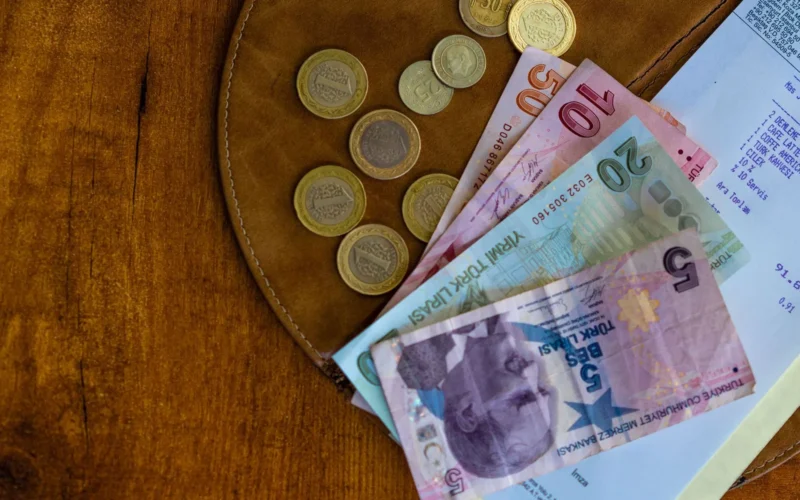
Currency Exchange in Türkiye (2026): Where to Change Money and What to Check
Where to change money in Türkiye in 2026: authorised exchange offices, banks and ATMs, reading the rate board, avoiding DCC, and the €10,000 customs rule.


Where to change money in Türkiye in 2026: authorised exchange offices, banks and ATMs, reading the rate board, avoiding DCC, and the €10,000 customs rule.
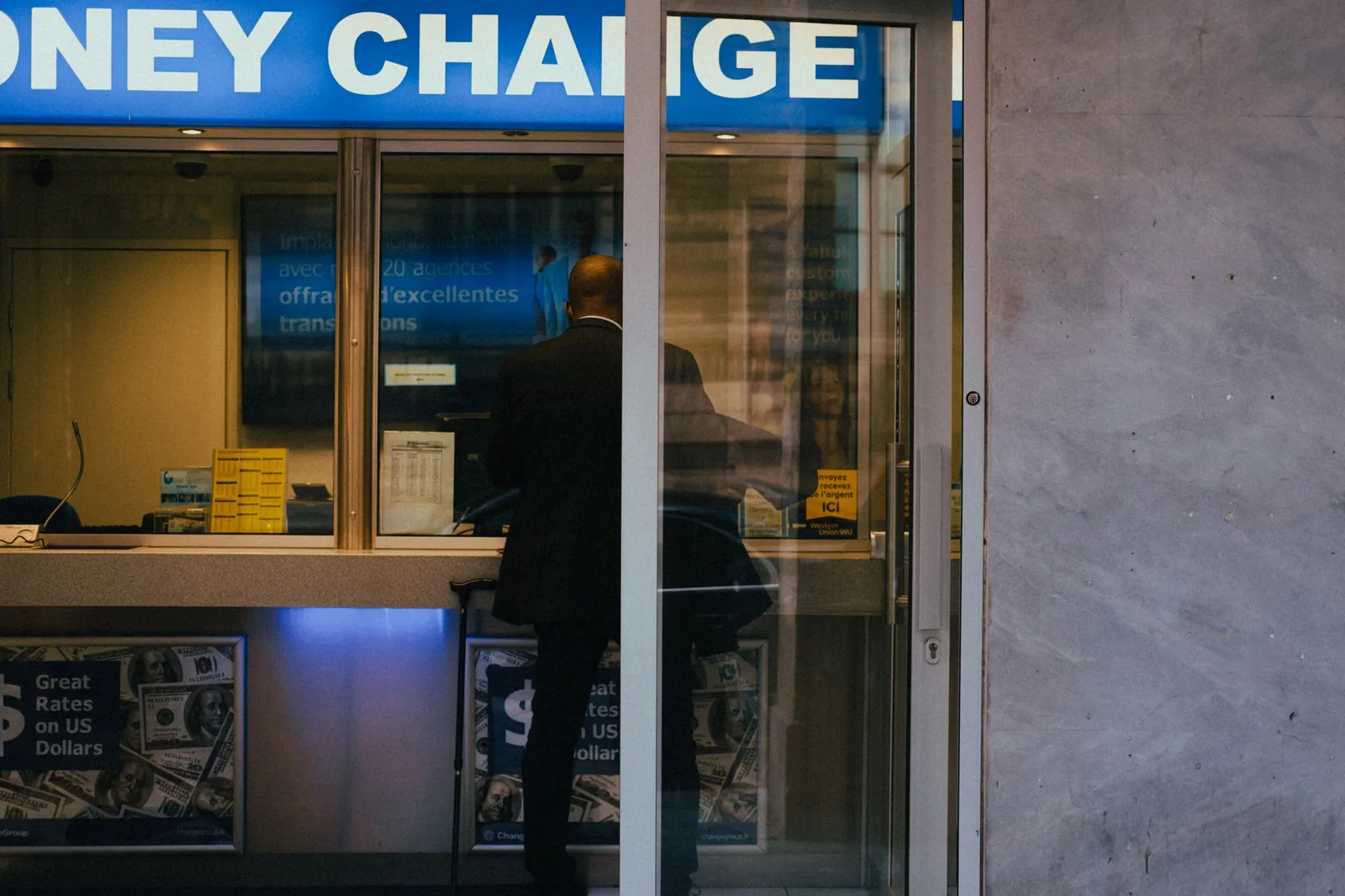
The easiest places to change money in Türkiye are authorised exchange offices, called döviz bürosu, and bank ATMs. Exchange offices are licensed by the Ministry of Treasury and Finance. They must record every deal on an official foreign-exchange purchase or sale document, and they display buying and selling rates. The smaller the gap between those two rates, the better the deal. At ATMs and card machines, always choose to be charged in Turkish lira (TRY) to avoid poor conversion rates. There’s no limit on the amount of currency you can bring into Türkiye, but amounts over €10,000 or equivalent must be declared to customs.
Last checked: 24 September 2026, against the Ministry of Treasury and Finance’s rules for authorised exchange offices and Turkish customs guidance.

Your options at a glance
| Where | Good for | Watch out for |
|---|---|---|
| Authorised exchange office (döviz bürosu) | Changing euros, dollars or pounds into lira quickly | Compare the buy/sell gap; ask for the total before you hand over cash |
| Bank ATM | Taking out lira with your card | ATM owner fees and your own bank’s fees; always decline DCC |
| Bank branch | Larger amounts, with ID | Opening hours; queues |
| Airport exchange desks | Getting a small amount on arrival | Convenience rather than the best rate — change only what you need |
How exchange offices work
Exchange offices in Türkiye are called yetkili müessese (authorised institutions) in law. They’re regulated under Decree No. 32 on the Protection of the Value of the Turkish Currency and the Ministry of Treasury and Finance’s rules on authorised institutions. In practice, for a visitor:
- The office must be authorised. It needs Ministry permission and an operating licence.
- Every transaction is documented. Offices issue a döviz alım belgesi when they buy currency from you and a döviz satım belgesi when they sell to you. Ask for it and keep it.
- Rates are displayed. You’ll see a board showing each currency’s buying rate (alış) and selling rate (satış).
Reading the rate board
When you hand over euros for lira, the office is buying your euros, so look at the alış (buy) column for EUR.
- Compare the gap between alış and satış. A narrow gap usually means a fair deal. A very wide one means you’re paying a lot for the exchange.
- Check the Central Bank’s reference rate before you go. The Central Bank of the Republic of Türkiye (TCMB) publishes indicative exchange rates every working day. They give you a benchmark, although no office will match them exactly.
- Ask “How many lira will I get for 100 euros?” before you hand anything over, so any commission can’t hide inside the rate.
Using ATMs
ATMs are the simplest way to get lira if your card works abroad.
- Choose to be charged in lira. If the screen offers a “guaranteed” rate in your home currency, decline it. That’s dynamic currency conversion, and the rate is usually worse than your bank’s.
- Read the fee screen. The ATM owner may add a fee, and your own bank may charge a foreign withdrawal fee on top.
- Withdraw fewer, larger amounts to keep fixed fees down.
- Use ATMs attached to bank branches during opening hours where you can, so help is nearby if your card gets stuck.
Protecting yourself
- Count your money at the counter before you walk away. Claims afterwards are hard to prove.
- Don’t change money with people on the street. Use an office or a bank, and get a document for the deal.
- Bring clean, undamaged notes. Worn, torn or very old notes may be refused or bought at a lower rate.
- Keep your receipts if you plan to change lira back before you leave.
Bringing cash into Türkiye
- There’s no upper limit on the amount of foreign or Turkish currency you can bring into Türkiye.
- Cash over €10,000, or the equivalent in other currencies, must be declared to customs.
- For everything else at the border, Türkiye uses red and green customs channels, as the Foreign Ministry’s customs information page explains. Use the red channel if you’re unsure whether to declare something.
Card or cash?
Most visitors only need a modest amount of cash. Cards work in most city restaurants, shops and hotels. Cash is still useful for markets, minibuses, some taxis and tips. Transport in Istanbul is cheapest with an İstanbulkart, not a bank card. We compare where each works in our guide to paying by card or cash in Türkiye.
If you’re arriving at Istanbul Airport, the metro station below the terminal has a money exchange office. Our Istanbul Airport to city centre guide explains the cheapest way into town once you have lira.
Frequently asked questions
Where is the best place to exchange money in Türkiye?
Authorised exchange offices (döviz bürosu) and bank ATMs are usually the easiest. Compare the gap between the buying and selling rates, and ask for the total before you exchange.
Should I exchange money before travelling to Türkiye?
A small amount can be handy for arrival, but you can also get lira from ATMs and exchange offices after you land, including at Istanbul Airport.
Do I need to declare cash when entering Türkiye?
Yes, if it’s over €10,000 or the equivalent in other currencies. There’s no upper limit on how much you can bring in.
What is DCC and should I accept it?
Dynamic currency conversion lets a card machine or ATM charge you in your home currency. Decline it and pay in lira, because DCC rates are usually worse.