
Nowruz in the Turkic World: Shared Traditions and Country Differences

Nowruz, the spring New Year festival falling around 21 March, is celebrated across the Turkic world under different names — Nevruz, Navruz, Nooruz — with shared core rituals and country-specific traditions layered on top. UNESCO inscribed it on the Representative List of the Intangible Cultural Heritage of Humanity in 2009, and the UN General Assembly recognises 21 March as the International Day of Nowruz. Last checked: 22 October 2026.
Nowruz, the spring New Year festival falling around 21 March, is celebrated across the Turkic world under different names — Nevruz, Navruz, Nooruz — with shared core rituals and country-specific traditions layered on top. UNESCO inscribed it on the Representative List of the Intangible Cultural Heritage of Humanity in 2009, and the UN General Assembly recognises 21 March as the International Day of Nowruz.
Last checked: 22 October 2026. Traditions confirmed against UNESCO documentation and regional academic and news sources; political framing of the holiday varies by source and is noted where relevant.
Shared traditions across the region
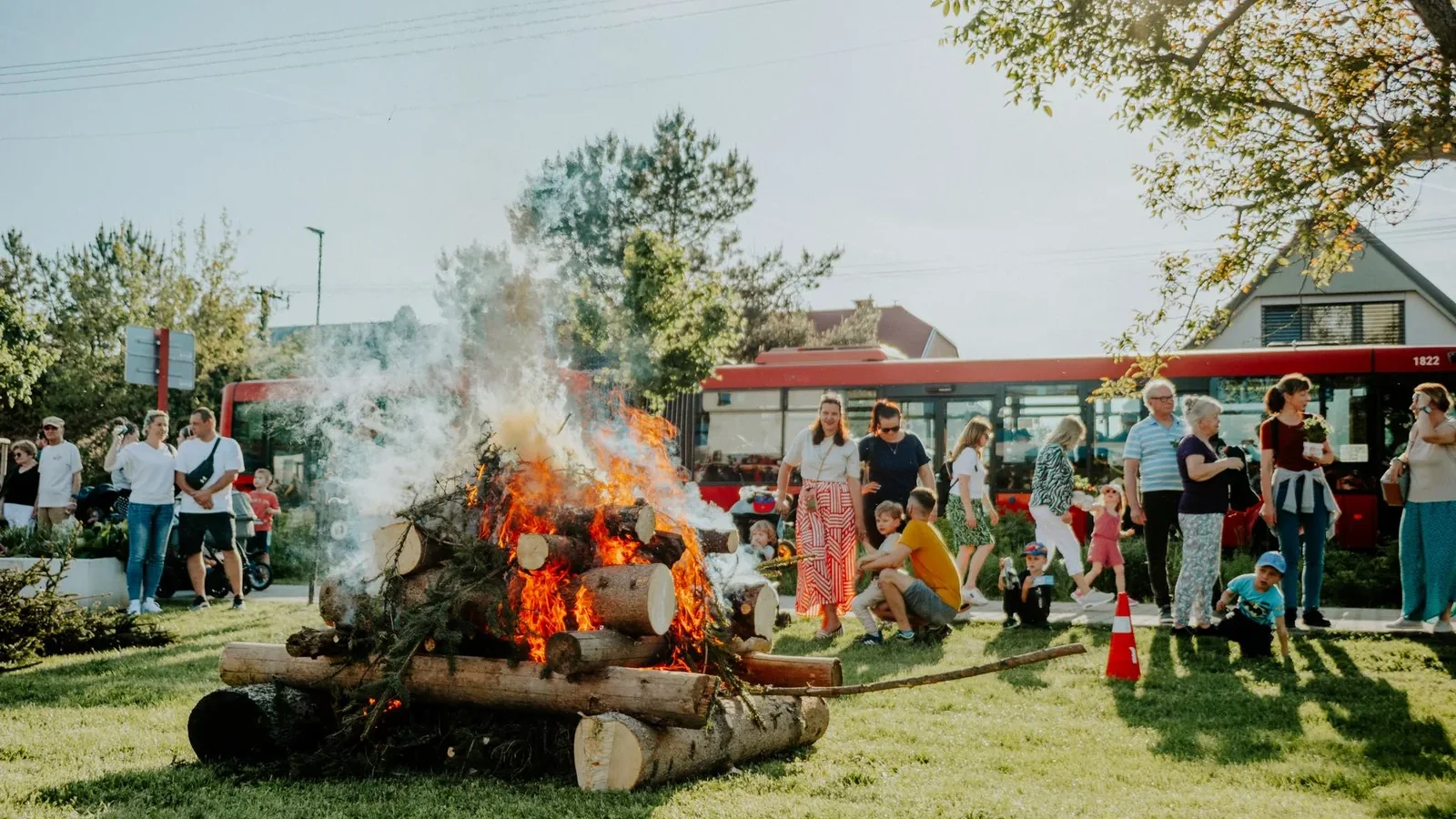
A 2024 study comparing seven independent Turkic states identified common rituals: egg tapping, jumping over fire, symbolic iron forging, and visiting family and neighbours. For Turkic peoples, the holiday generally represents abundance, prosperity, unity and renewal — themes that recur across the region’s different local names and customs.
Azerbaijan
In the four weeks before Nowruz, Azerbaijani households traditionally light a campfire every Tuesday, and people jump over the fire several times as part of the ritual. Homes typically display samani (green sprouted wheat) and a khoncha — a decorated tray holding sweets, nuts, candles and dried fruit — as part of the holiday table.
Turkmenistan
After independence, Turkmenistan gave Nowruz official state holiday status, declaring the 21st, 22nd and 23rd of the month a public holiday — a three-day observance longer than in several neighbouring countries.
Türkiye and its framing of the holiday
In Türkiye, Nowruz carries added political and cultural weight in some official framing. Türkiye’s Communications Director described the holiday as celebrated for centuries across “the vast Turkic territory stretching from Central Asia to Anatolia,” and some Turkish sources present it as marking the historical re-emergence of Turkic peoples rather than purely a seasonal festival. This framing reflects a particular nationalist and pan-Turkic perspective rather than a neutral description, worth keeping in mind when reading Turkish state-linked sources on the subject.
International recognition
Beyond UNESCO’s 2009 inscription, Nowruz is also marked well beyond the Turkic world — among other groups in Iran, Afghanistan, India, the Caucasus, Albania and North Macedonia — reflecting the festival’s much older, pre-Islamic roots across a wide swathe of Eurasia, shared rather than exclusive to any one linguistic or ethnic group.
Shared festival does not mean identical practice
Nowruz is best understood as a family of related spring traditions. Fire, water, household cleaning, visiting, food and public celebration recur across the region, but their timing, names and religious or national interpretation differ. A practice described in Azerbaijan should not automatically be attributed to every Turkic community.
UNESCO’s multinational inscription is useful because it treats the festival as living heritage carried by communities across several countries. It does not make one national version the standard for all others. When comparing customs, look for the community and locality attached to the practice rather than relying on an unlabelled list of “Nowruz traditions”.
Planning a visit around Nowruz
Public-holiday dates, museum schedules, transport and event access can change by country and city. Travellers should check the current government or municipal calendar before assuming that a market, concert or ceremony is open to visitors. Family rituals may be private even when the wider celebration is public.
For another expression of regional cultural heritage, read the explanation of kok-boru at the World Nomad Games. The Organization of Turkic States guide explains the intergovernmental body separately; cultural similarity should not be confused with shared laws or a political union.